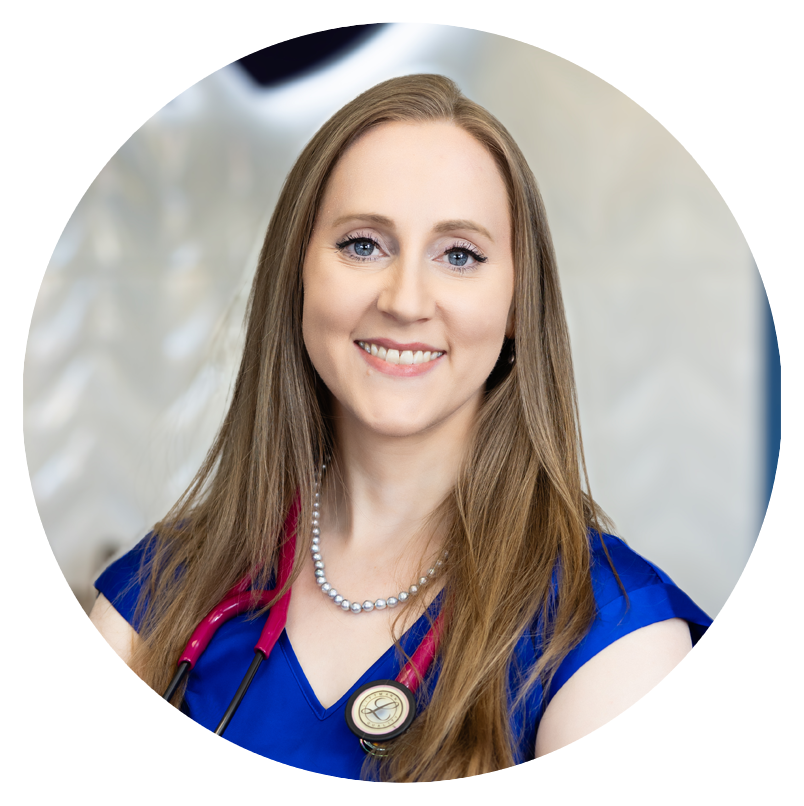

Relationship-based primary care is a model of medical care where the doctor–patient relationship is central to clinical decision-making. Patients can expect unhurried visits, continuity with the same physician over time, and care that considers medical history, lifestyle, values, and long-term health goals – not just isolated symptoms. The focus is on understanding the patient as a whole person rather than managing problems one visit at a time.
In relationship-based primary care, care decisions are shaped by familiarity and trust that develop over repeated interactions. This allows physicians to recognize subtle changes in health, tailor prevention strategies, and intervene earlier when concerns arise. For patients, this often translates to clearer communication, fewer unnecessary referrals, and care that feels more personal and responsive.

Why the Doctor–Patient Relationship Matters Clinically
From a clinical perspective, continuity matters. When a physician knows a patient well, patterns become easier to recognize – whether that’s a gradual change in blood pressure, worsening fatigue, or early signs of a chronic condition. Important context is not lost between visits or buried in fragmented medical records.
Research consistently shows that strong continuity of care is associated with better health outcomes, improved preventive care, and higher patient satisfaction. In day-to-day practice, it also means less time repeating medical histories and more time addressing what actually matters during the visit.
What Patients Typically Notice Is Different
Patients often describe relationship-based care as feeling calmer and more focused. Visits are not rushed, and conversations are not limited to a checklist. Questions are welcomed, and care plans are explained rather than dictated.
Over time, patients may notice that their physician anticipates concerns before they escalate. Preventive care becomes more individualized, and treatment decisions are better aligned with a patient’s preferences, responsibilities, and stage of life. This is especially important in family medicine, where care often spans years or even decades.
Common Misunderstandings About Relationship-Based Care
One common misconception is that relationship-based care means fewer tests or less thorough care. In reality, it often leads to more appropriate care – avoiding unnecessary testing while ensuring important issues are not missed.
Another misunderstanding is that this approach is only for patients with complex medical problems. In practice, it benefits healthy patients just as much by emphasizing prevention, early detection, and long-term health planning rather than reactive care.
How This Fits Within Direct Primary Care
Direct Primary Care (DPC) is one structure that supports relationship-based care by removing many of the time and administrative constraints found in traditional insurance-based models. While not all relationship-based care is DPC, the two align closely in philosophy.
In a DPC setting, physicians are often able to spend more time with patients, offer easier access between visits, and maintain smaller patient panels – all of which strengthen the doctor–patient relationship. The goal is not volume, but continuity and quality of care.
What Patients in Broken Arrow and the Tulsa Metro Often Experience
In growing communities like Broken Arrow, patients frequently move between healthcare systems, urgent care clinics, and specialists. Relationship-based primary care offers stability in this environment by giving patients a consistent medical home and a physician who understands their full health picture over time.
For families, this continuity can be especially valuable – allowing one physician to care for multiple generations and understand shared medical histories, environmental factors, and family dynamics that influence health.
When Relationship-Based Care Is Most Valuable
Relationship-based primary care is particularly helpful for:
- Preventive care and wellness planning
- Chronic condition management
- Women’s health and midlife transitions
- Patients navigating multiple medications or diagnoses
- Individuals who want a more active role in their healthcare decisions
However, many patients find its greatest value is simply feeling known, heard, and supported by their physician.